


The thrill of uncertainty
One of the most compelling psychological factors driving individuals to gamble is the thrill associated with uncertainty. Every time someone places a bet or spins a wheel, they experience a rush from the unpredictability of the outcome. This surge of adrenaline creates a cocktail of excitement and anxiety, making the gambling experience incredibly appealing. The suspense builds as players wait to see if their wagers will pay off, and many turn to the best nz online casino options available, creating a unique blend of emotions that few other activities can replicate. This emotional rollercoaster keeps players coming back for more, as each round offers the potential for a new and exhilarating experience.
This thrill is often intensified by the release of dopamine, a neurotransmitter associated with pleasure and reward. When a player wins, even a small amount, their brain releases this chemical, reinforcing the behavior and creating a positive feedback loop. The anticipation of potential wins can lead to a cycle of engagement where individuals continually return in hopes of re-experiencing that euphoric feeling. Over time, this cycle may blur the lines between healthy enjoyment and compulsion, as the desire to chase the next high becomes more pronounced. Understanding this psychological mechanism is crucial, as it can help individuals recognize when their gambling may be shifting from a fun pastime to a more compulsive behavior.
Moreover, the allure of uncertainty can instill a sense of control in players. Many believe they can influence the outcome through skill, strategy, or intuition, even in games largely dictated by chance. This illusion of control enhances the gambling experience, as individuals feel personally invested in the results, compelling them to continue playing to test their theories or strategies. Such beliefs, though often unfounded, can significantly deepen the psychological engagement with gambling, making it a more captivating pursuit. This perceived control can lead to an increased frequency of play, as players become more immersed in their strategies and the thrill of the game.
The role of social interaction
Gambling is not merely an isolated activity; it often serves as a social endeavor that fosters connections among participants. Whether in the lively atmosphere of a physical venue or through the shared experience on online platforms, the communal aspect adds layers of enjoyment to the gambling experience. Players can bond over their shared interests, discuss strategies, or simply revel in the excitement of the games, leading to a richer, more fulfilling experience beyond the act of betting itself. This social dimension can transform gambling from a solitary activity into a vibrant social scene, enhancing the thrill through shared experiences.
The social environment can amplify the thrill of gambling significantly. The sounds of cheers, laughter, and the iconic clinking of chips create an immersive atmosphere that heightens emotions. When players share victories or commiserate over losses, it fosters a sense of camaraderie and belonging that can be incredibly comforting. This connection may encourage individuals to engage in gambling more frequently, as the social reinforcement can validate their participation and enhance their enjoyment. The communal nature of gambling can also serve as a buffer against feelings of isolation, allowing individuals to feel part of a larger community.
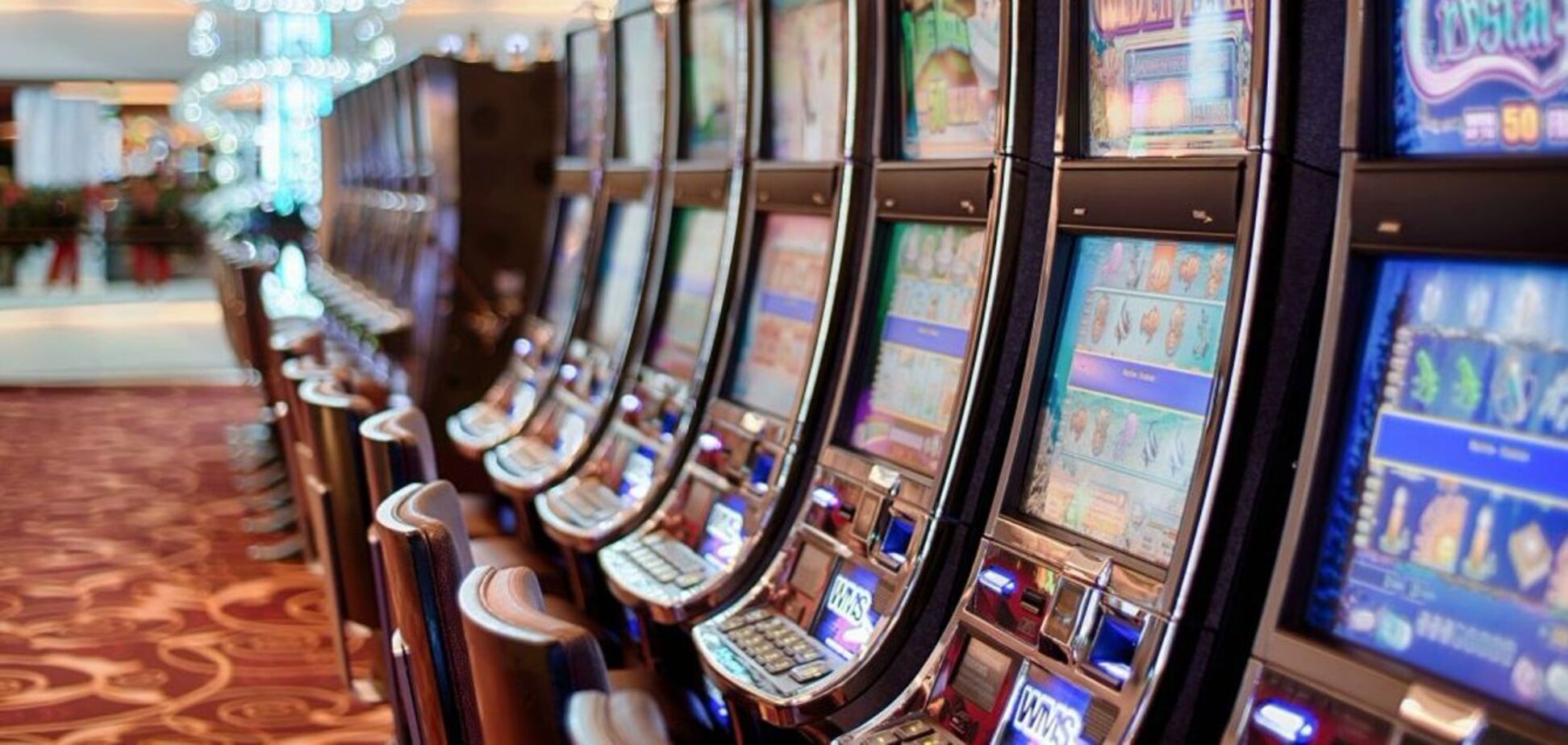
However, the social dynamics of gambling can also have a darker side. In certain contexts, peer pressure may lead individuals to gamble more recklessly, pushing them to place larger bets or play more frequently than they initially intended. The desire to fit in or maintain social status within a group can override personal caution, potentially leading to negative consequences. Recognizing the dual nature of social interaction in gambling is crucial for players, as it highlights the need to balance social enjoyment with responsible gaming practices. Understanding how social influences can affect gambling behavior can empower individuals to make healthier choices, ensuring their social interactions enhance rather than hinder their gambling experiences.
The appeal of escapism
For many, gambling serves as a form of escapism, providing a temporary escape from the stresses and monotony of everyday life. Engaging in games allows individuals to immerse themselves in a different reality where their daily worries seem to fade away. This allure of escape can be particularly enticing during challenging times, as the thrill of gambling offers a distraction from life’s pressures and responsibilities, creating a sense of relief that many seek out. The act of gambling can transport individuals to a world filled with excitement and possibility, far removed from their daily routines.
In this context, gambling can become a coping mechanism for stress, anxiety, or even boredom. The excitement of potential wins can be more appealing than confronting mundane or distressing situations, leading some players to use gambling as a way to numb emotional pain or fill voids in their lives. While this behavior may initially provide a sense of relief, it can also spiral into a problematic relationship with gambling if individuals rely on it excessively for emotional comfort. Understanding this dynamic is essential for players, as it can help them identify when their gambling habits may be serving as a harmful escape rather than a healthy distraction.
It is essential for players to reflect on their motivations for gambling. While seeking escape can provide temporary satisfaction, using gambling as a primary coping strategy can lead to deeper issues, such as compulsive gambling or addiction. Understanding the difference between healthy recreational play and harmful gambling practices is crucial for maintaining a balanced relationship with gaming, ensuring it remains a source of enjoyment rather than a source of stress or anxiety. Individuals should strive to engage in self-reflection and seek alternative coping strategies that promote well-being, thereby reducing the reliance on gambling for emotional relief.
The impact of marketing and availability
The gambling industry is characterized by aggressive marketing tactics that emphasize the excitement and allure of gaming. Advertisements often portray gambling as a glamorous, thrilling activity, enticing individuals to participate. With the rise of online platforms and mobile applications, the accessibility of gambling options has increased dramatically, making it easier than ever for people to engage in betting activities. This availability can significantly influence individuals’ gambling behaviors and increase participation rates. The convenience of placing bets from home or on the go can create an environment where gambling becomes an impulse activity, leading to more frequent engagement.

Marketing campaigns frequently highlight the potential for significant payouts, creating unrealistic expectations among potential players. This can lead to the misconception that winning is more common than it truly is, further fueling the desire to gamble. As new platforms and technologies emerge, the normalization of gambling in society can result in increased risk-taking behaviors and can make it more challenging for individuals to recognize when their gambling habits may become problematic. The continuous exposure to gambling-related content can desensitize individuals to the risks involved, making them more likely to engage in impulsive betting behaviors.
Additionally, loyalty programs and promotional bonuses can create a sense of obligation among gamblers to continue wagering. These incentives are designed to keep players engaged and encourage them to gamble more frequently. Understanding the psychological effects of marketing and the role of availability in gambling can empower individuals to make more informed choices and help them cultivate a healthier relationship with gaming that prioritizes responsible play over reckless betting. Awareness of these marketing strategies can enable players to resist temptations and make conscious decisions about their gambling habits.
Understanding gambling behavior
Gambling behavior is a complex interplay of psychological, social, and environmental factors. Recognizing the underlying motivations for gambling is essential for players and those concerned about their loved ones. By understanding the psychological triggers that drive gambling, individuals can develop strategies to mitigate risks and encourage responsible gambling practices. This awareness can lead to healthier gambling habits and a more enjoyable experience overall, as players become more attuned to their motivations and behaviors.
Engagement in gambling can be moderated through education about the odds and the nature of chance. Players who understand that the house always has an edge can set realistic expectations and limits, which is critical for maintaining control over their gambling habits. Additionally, promoting open discussions about gambling behaviors can foster a supportive culture where individuals feel comfortable sharing their experiences and recognizing when their habits may be crossing into problematic territory. This dialogue can help break down stigma and encourage healthier gambling practices within communities.
In conclusion, exploring the psychology behind gambling reveals a rich tapestry of motivations and behaviors. By examining the thrill of uncertainty, the significance of social interactions, the appeal of escapism, the impact of marketing, and the understanding of gambling behavior, individuals can gain valuable insights into their gambling experiences. This knowledge empowers players to make informed decisions, paving the way for healthier relationships with gambling as a form of entertainment while avoiding the pitfalls of compulsive behavior. As awareness of these psychological factors grows, players can approach gambling with a more balanced perspective, ensuring it remains an enjoyable activity rather than a source of stress or conflict.

